Postnatal Recovery in Marylebone & Crouch End
Postnatal recovery is an important stage of healing after pregnancy and childbirth. At Potentia by Esra, we provide specialised physiotherapy designed to support new mothers through safe, structured postpartum recovery and personalised postpartum care. Many new mothers seek professional guidance for postnatal recovery in Marylebone or Crouch End when they experience pelvic floor weakness, discomfort, or difficulty returning to normal activity after giving birth.
Our clinic focuses on restoring strength, improving pelvic floor function, and helping women regain confidence in their bodies after childbirth. Whether you have recently delivered your baby or you are still experiencing symptoms months later, professional support for postpartum recovery in Marylebone and Crouch End can make a meaningful difference to your recovery.

Supporting Safe & Effective Postpartum Recovery
The weeks and months following childbirth are a period of significant physical change. Muscles, ligaments, and connective tissues require time and appropriate rehabilitation to regain strength and stability.
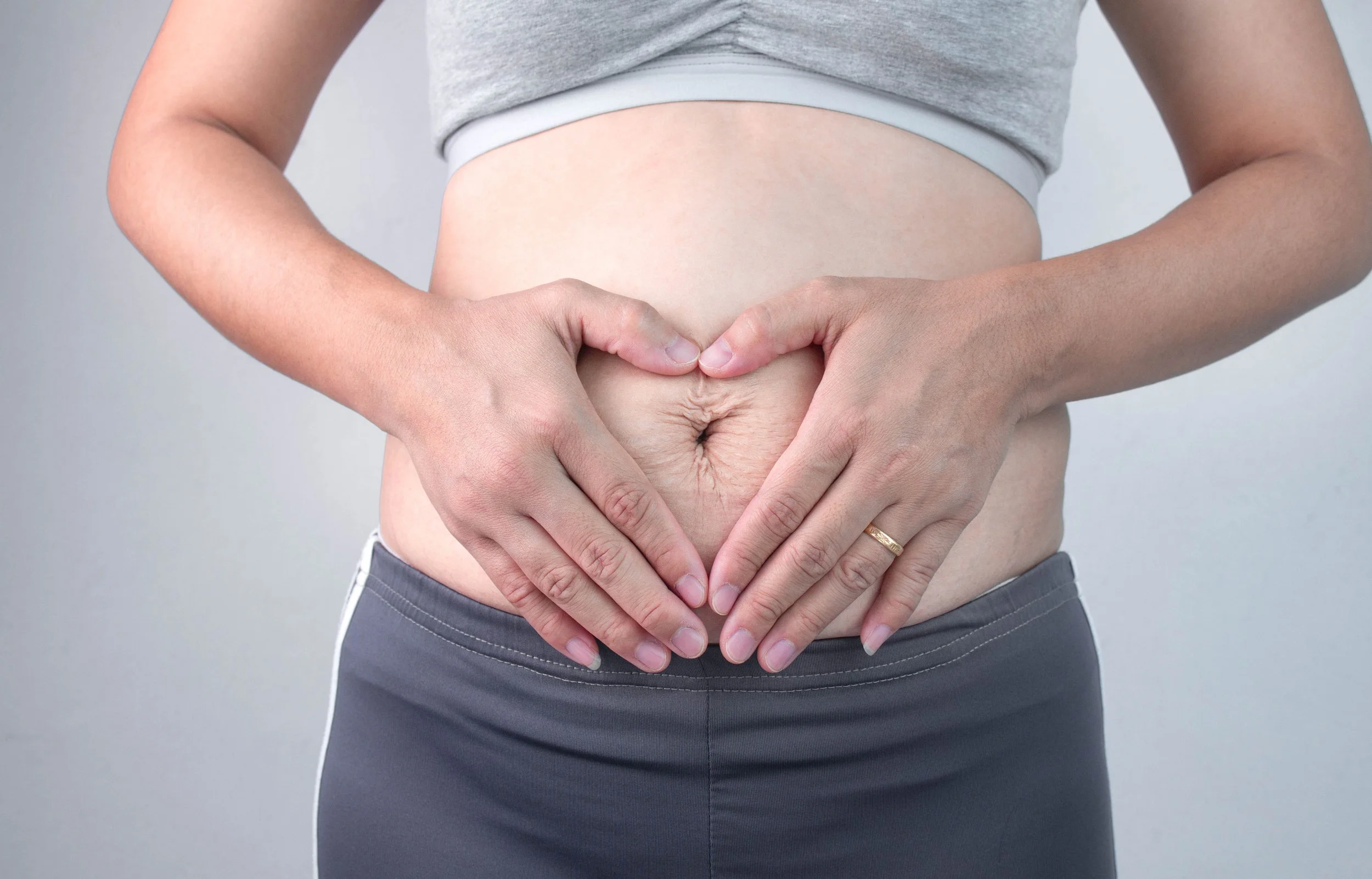
Without the right postpartum care, many women continue to experience symptoms such as pelvic floor weakness, back pain, abdominal separation, or pelvic discomfort.
Professional physiotherapy helps address these concerns through targeted assessment and treatment.
At Potentia by Esra, postpartum recovery programmes are tailored to each individual. Treatment plans consider your delivery type, symptoms, activity level, and long-term health goals.
If you would like to learn more about our broader approach to women’s physiotherapy services, you can explore our Women’s Health Physiotherapy page.
Common Issues After Pregnancy & Childbirth
Every recovery journey is different. Some women feel strong within a few weeks, while others experience symptoms that persist long after delivery.
A postnatal physiotherapy assessment may help address concerns, including:
Pelvic floor weakness
Urinary incontinence
Pelvic pain
Lower back pain
Abdominal separation (diastasis recti)
Pain during physical activity
Postural changes from pregnancy and feeding
Reduced core stability
According to the NHS, pelvic floor exercises and rehabilitation play an important role in restoring function after childbirth.
Specialist physiotherapy can provide guidance that goes beyond general advice, helping you rebuild strength safely.
What to Expect From Postnatal Physiotherapy
Postpartum recovery physiotherapy focuses on understanding how pregnancy and birth have affected your body.
Initial Assessment
Your first appointment includes a detailed evaluation of:
Pelvic floor strength and coordination
Core stability
Posture and movement patterns
Musculoskeletal pain or discomfort
Functional movements such as lifting and walking
The goal is to identify areas that need rehabilitation and support.
Personalised Recovery Plan
Your physiotherapist will create a structured postpartum recovery programme that may include:
Pelvic floor rehabilitation exercises
Core stability training
Gentle strengthening exercises
Movement and posture correction
Education on safe return to activity
Each plan is tailored to your symptoms and stage of recovery.

Why Pelvic Floor Health Matters After Birth
The pelvic floor muscles support the bladder, bowel, and reproductive organs. Pregnancy and childbirth can weaken these muscles, leading to symptoms such as incontinence or pelvic discomfort.
Specialist pelvic floor physiotherapy helps restore:
Muscle strength
Coordination
Stability during movement
Structured postpartum care can also reduce the risk of long-term pelvic health problems.
Guidance for New Mothers
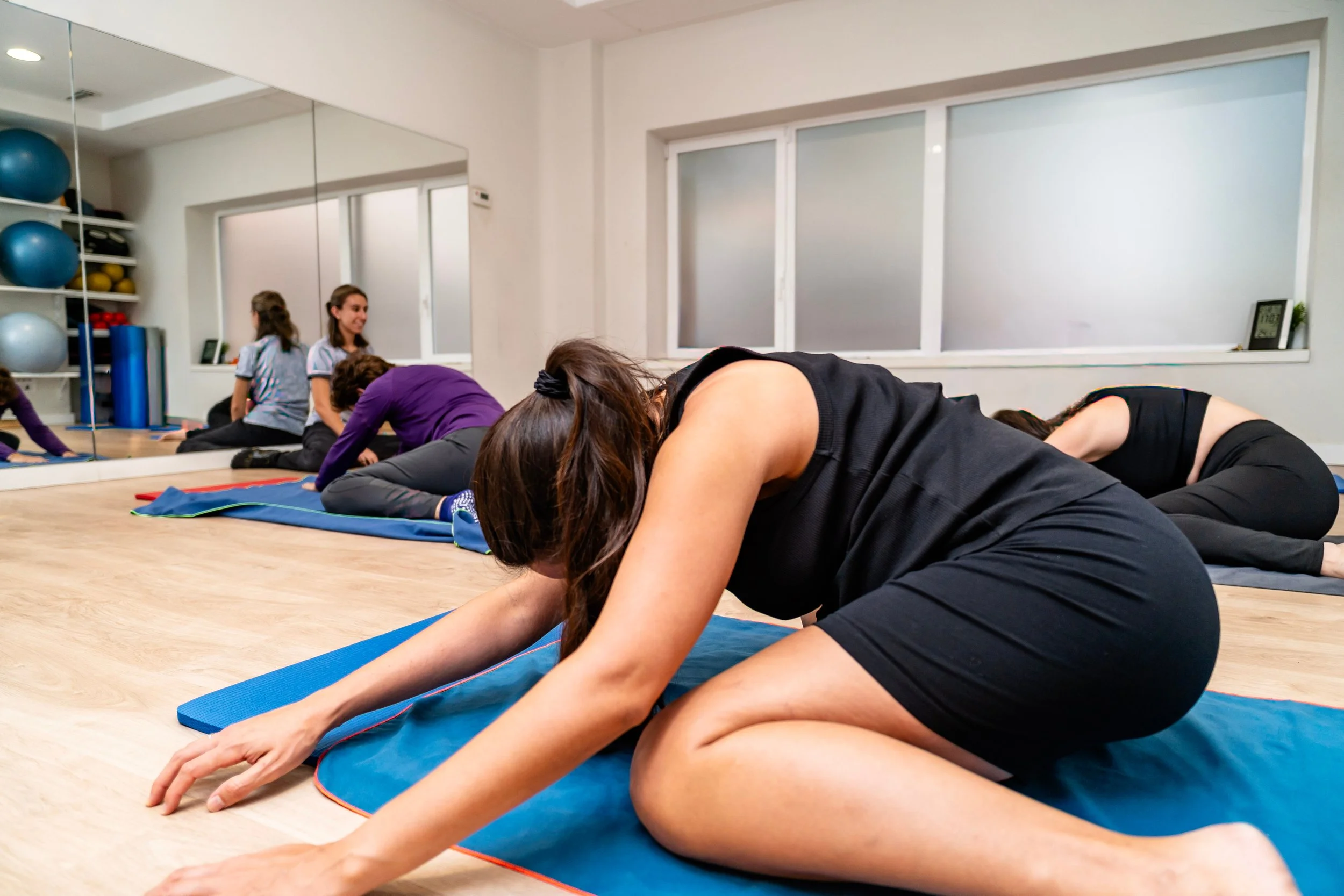
New motherhood can be physically demanding. Activities such as lifting your baby, feeding, and carrying equipment can place strain on the body during recovery.
Many women benefit from professional guidance to:
Return to exercise safely
Manage pain or discomfort
Rebuild core strength
Improve posture and body mechanics
If you would like more practical advice on the early stages of recovery, Esra has written a helpful guide that you can read here:
Your Guide to Postnatal Recovery in Marylebone: What New Mums Should Know
For further insight into why a professional postnatal assessment can be valuable, you may also find this article helpful:
The Importance of a New Mummy Postnatal Check-Up
These resources provide additional guidance for women navigating the physical changes that follow childbirth.

Why Choose Potentia by Esra
Potentia by Esra provides physiotherapy care focused on restoring confidence and wellbeing after pregnancy.
The clinic was founded by Esra, an experienced physiotherapist with advanced training in musculoskeletal and women’s health physiotherapy.
You can learn more about the clinic’s approach and professional background on our About Us page.
Patients choose Potentia by Esra for:
Personalised one-to-one treatment
Evidence-based physiotherapy techniques
A supportive and respectful environment
Expertise in pelvic health and musculoskeletal recovery
Potentia by Esra operates from two clinics, allowing new mothers to access specialist physiotherapy in a convenient location. You can visit our clinic in Crouch End or our clinic in Marylebone, where we provide personalised physiotherapy to support postnatal recovery and pelvic health.
Both locations offer the same dedicated, one-to-one care in a professional and supportive environment, helping women restore strength, improve pelvic floor function, and recover confidently after childbirth.

When Should You Seek Postnatal Physiotherapy
Some women begin physiotherapy within weeks of giving birth, while others seek support months later.
You may benefit from a consultation if you experience:
Persistent pelvic floor weakness
Pain during exercise or daily activity
Abdominal separation
Difficulty returning to physical activity
Ongoing back or pelvic pain
Early guidance can help ensure a safer and more confident return to normal activity levels.
Frequently Asked Questions
-
Postnatal recovery physiotherapy focuses on restoring strength, stability, and function after pregnancy and childbirth. It often includes pelvic floor rehabilitation, core strengthening, and treatment for musculoskeletal pain.
-
Many women begin physiotherapy around six weeks after childbirth, although this can vary depending on symptoms and delivery type. A professional assessment can help determine the appropriate timing.
-
Yes. Pelvic floor physiotherapy is one of the most effective treatments for postpartum pelvic floor weakness, including symptoms such as urinary incontinence.
-
In most cases, a referral is not required. You can book an appointment directly with a physiotherapist.
-
The number of sessions varies depending on your symptoms and recovery goals. Some women benefit from a few appointments for guidance, while others follow a longer rehabilitation programme.
Start Your Postnatal Recovery Journey
Recovering after pregnancy takes time, and professional guidance can help you rebuild strength safely and confidently.
At Potentia by Esra, we provide personalised physiotherapy to support women throughout their postpartum recovery journey. Our clinics in Marylebone and Crouch End welcome new mothers seeking expert physiotherapy care in Central and North London.
If you would like to improve your recovery, restore pelvic health, and regain confidence in movement, we invite you to book a consultation.
Call: +44 7397 500756
Email: hello@potentiabyesra.co.uk

Our treatments are covered by most health insurances