Pelvic Organ Prolapse Rehabilitation in Marylebone & Crouch End
Pelvic organ prolapse can cause uncomfortable pressure, bladder changes and uncertainty about everyday activities. At Potentia by Esra, we provide personalised pelvic organ prolapse rehabilitation in Marylebone and Crouch End, helping women understand their symptoms, improve pelvic floor function and manage daily life with greater confidence. Our approach is sensitive, practical and tailored to your needs.
Specialist Pelvic Health Care That Puts You First
Advanced clinical expertise: Our founder, Esra Koculu, holds an MSc in Advanced Musculoskeletal Physiotherapy with distinction.
Specialist women's health knowledge: We combine pelvic health physiotherapy with an understanding of wider musculoskeletal concerns.
Individualised rehabilitation: Your treatment reflects your symptoms, physical assessment and personal goals.
Sensitive, respectful appointments: We explain assessment options and seek your consent before any examination.
Support beyond exercises: We consider movement, daily activities, bladder habits and symptom management.
Two London clinic locations: Appointments are available in Marylebone and Crouch End.
You can also contact us on 07397 500756 or email hello@potentiabyesra.co.uk.
Understanding Pelvic Organ Prolapse & Its Symptoms
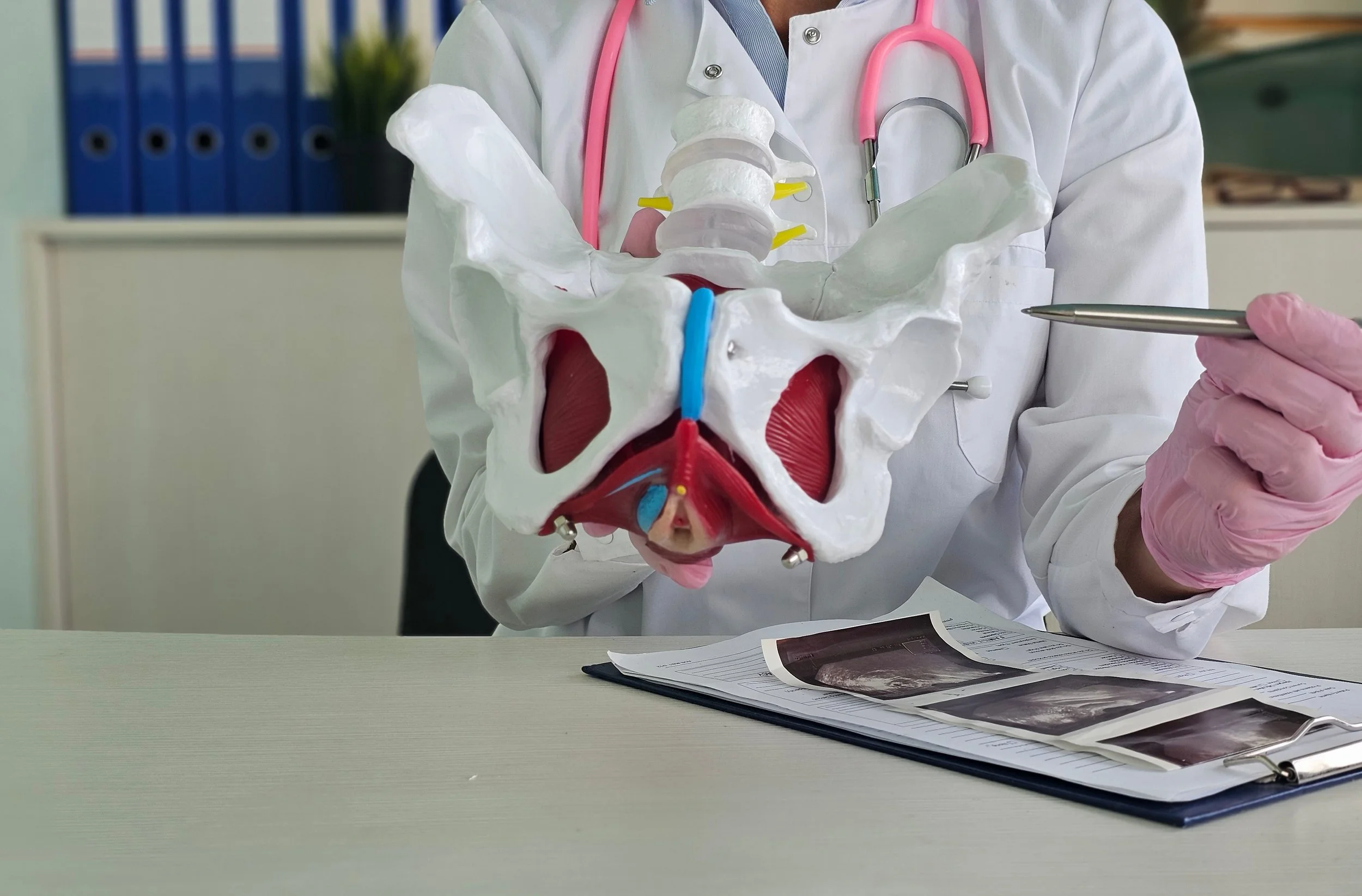
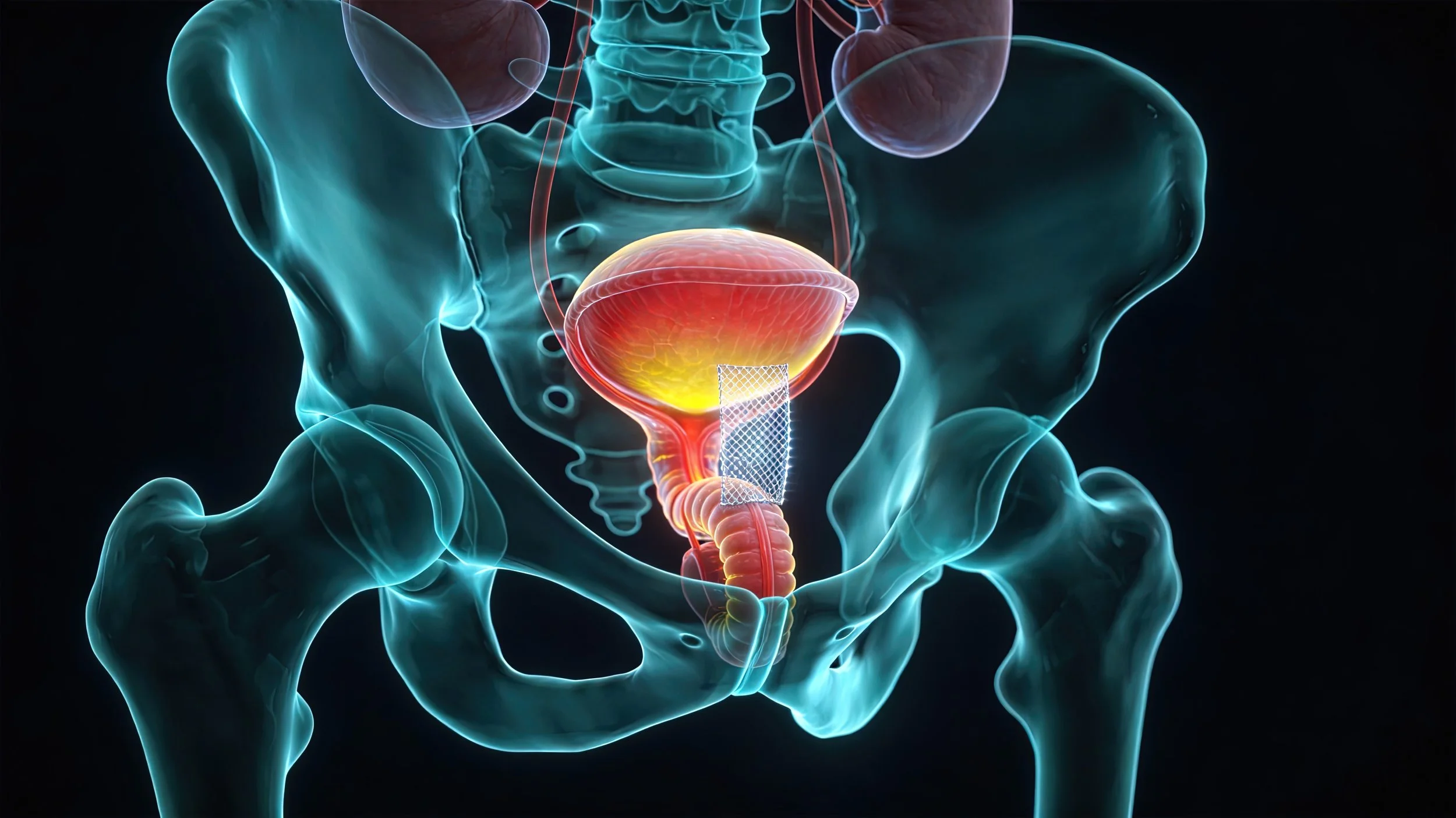
Pelvic organ prolapse occurs when support for one or more pelvic organs weakens, allowing the bladder, uterus or bowel to descend towards the vagina.
Symptoms vary and may include:
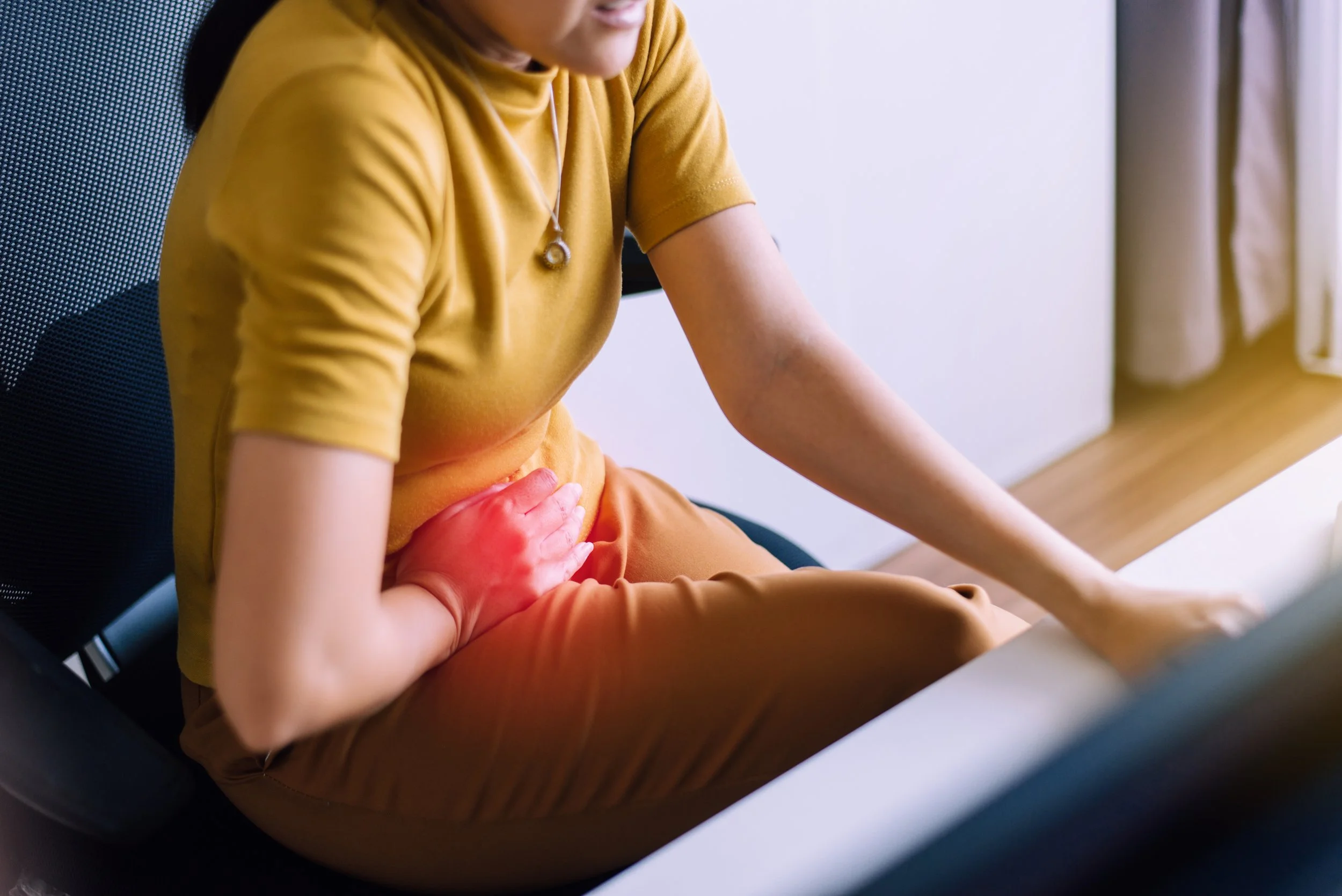
A dragging, heavy or bulging sensation in the vagina.
Pelvic pressure that becomes more noticeable after prolonged standing.
Urinary leakage, urgency or difficulty emptying the bladder.
Bowel-emptying difficulties or discomfort during certain activities.
Reduced confidence with exercise, lifting or intimacy.
Prolapse can develop following pregnancy and childbirth, or become more noticeable around menopause. Not every bladder symptom indicates prolapse, so an individual assessment is important.
How Pelvic Organ Prolapse Rehabilitation Works
-
We discuss your symptoms, medical history, bladder and bowel habits, childbirth history where relevant, and the activities you want to return to. We explain examination options, including whether an internal pelvic floor assessment may be helpful. Any internal examination requires your informed consent.
-
Depending on your findings, treatment may include pelvic floor muscle training, breathing and pressure-management techniques, bladder advice, constipation management and modifications to exercise or lifting. Pelvic floor exercises are not identical for everyone; technique and appropriate muscle relaxation matter.
-
We review your symptoms and exercise technique, adjusting your programme as needed. Rehabilitation usually requires consistent practice over several months. We also discuss when additional medical assessment or treatment options may be appropriate.
Prolapse, Perimenopause & Bladder Changes
Hormonal changes during perimenopause and menopause can affect vaginal and urinary symptoms. Some women experience bladder leaks in perimenopause, urinary urgency during menopause, or what they describe as bladder weakness during menopause.
These symptoms can occur with or without prolapse. Our incontinence treatment and women's health physiotherapy services address related pelvic floor and bladder concerns.

What Can Rehabilitation Help You Achieve?
Pelvic health physiotherapy aims to improve symptom management and pelvic floor function. Depending on your circumstances, rehabilitation may help you:
Reduce feelings of heaviness or discomfort.
Improve bladder control and confidence.
Return to suitable exercise and everyday activities.
Understand how to manage symptoms over time.
Physiotherapy cannot guarantee that a prolapse will disappear. Some women also benefit from a vaginal pessary or specialist medical treatment, which we can discuss as part of appropriate onward care.
Our London Clinic Locations
We welcome patients at two established clinics:
Marylebone: Unit 4, 10 Portman Square, London W1H 6AZ.
Crouch End: Christchurch Hall Doctors Surgery, London N8 8AE.
We also support patients travelling from surrounding North and Central London neighbourhoods.
Frequently Asked Questions
-
Yes. Pelvic floor muscle training and individualised lifestyle advice can improve symptoms for some women, particularly with mild to moderate prolapse. Results depend on the type and severity of prolapse, muscle function and other health factors. An assessment helps establish realistic goals.
-
Not necessarily. We explain why an internal examination might be useful and discuss alternatives. You can decline or stop an examination at any point. We can still provide advice and develop an appropriate plan based on the assessment you consent to.
-
Pelvic floor rehabilitation commonly involves regular practice over at least three months, with progress reviewed along the way. The appropriate duration varies according to your symptoms, muscle function and goals. We will explain your recommended approach after assessment.
-
Often, yes. Exercise recommendations depend on your symptoms and the activities involved. We can help you adapt strength training, running or everyday lifting where needed, rather than assuming you must avoid all physical activity.
-
Seek medical advice if you have new or worsening pelvic symptoms, difficulty passing urine, vaginal bleeding or significant pain. Inability to pass urine requires urgent medical assessment. Physiotherapy complements, rather than replaces, appropriate medical investigation.
Take the Next Step Towards Better Pelvic Health
You do not have to work out how to manage prolapse symptoms on your own. We offer a considered, individual approach to pelvic organ prolapse rehabilitation, with time to discuss your concerns and understand your options. Whether your main difficulty is pelvic heaviness, bladder leakage or returning to exercise, we can help you identify a practical way forward.
Call: +44 7397 500756
Email: hello@potentiabyesra.co.uk

Our treatments are covered by most health insurances