Diastasis Recti in Marylebone & Crouch End: Specialist Physiotherapy & Recovery
If you are experiencing abdominal separation after pregnancy, specialist physiotherapy can help you understand your symptoms and rebuild core strength safely. At Potentia by Esra, we provide personalised assessment and treatment for diastasis recti in Maryleboneand Crouch End, supporting women through pregnancy, postpartum recovery and beyond. Our approach focuses on improving abdominal muscle function, movement and confidence through rehabilitation tailored to your individual needs.
Specialist Support for Abdominal Separation & Postnatal Recovery
Advanced Qualifications: Led by Esra, a dual Master's qualified physiotherapist.
Women's Health Expertise: Specialist knowledge of pregnancy and postnatal rehabilitation.
Personalised Treatment: Individual rehabilitation plans tailored to your symptoms and goals.
Whole-Body Assessment: Combined musculoskeletal, abdominal and pelvic health expertise.
Bupa-Approved: Physiotherapy care available for eligible Bupa-insured patients.
Two London Clinics: Convenient locations in Marylebone and Crouch End.
Call Us: 07397 500756
Email Us: hello@potentiabyesra.co.uk
What Is Diastasis Recti?
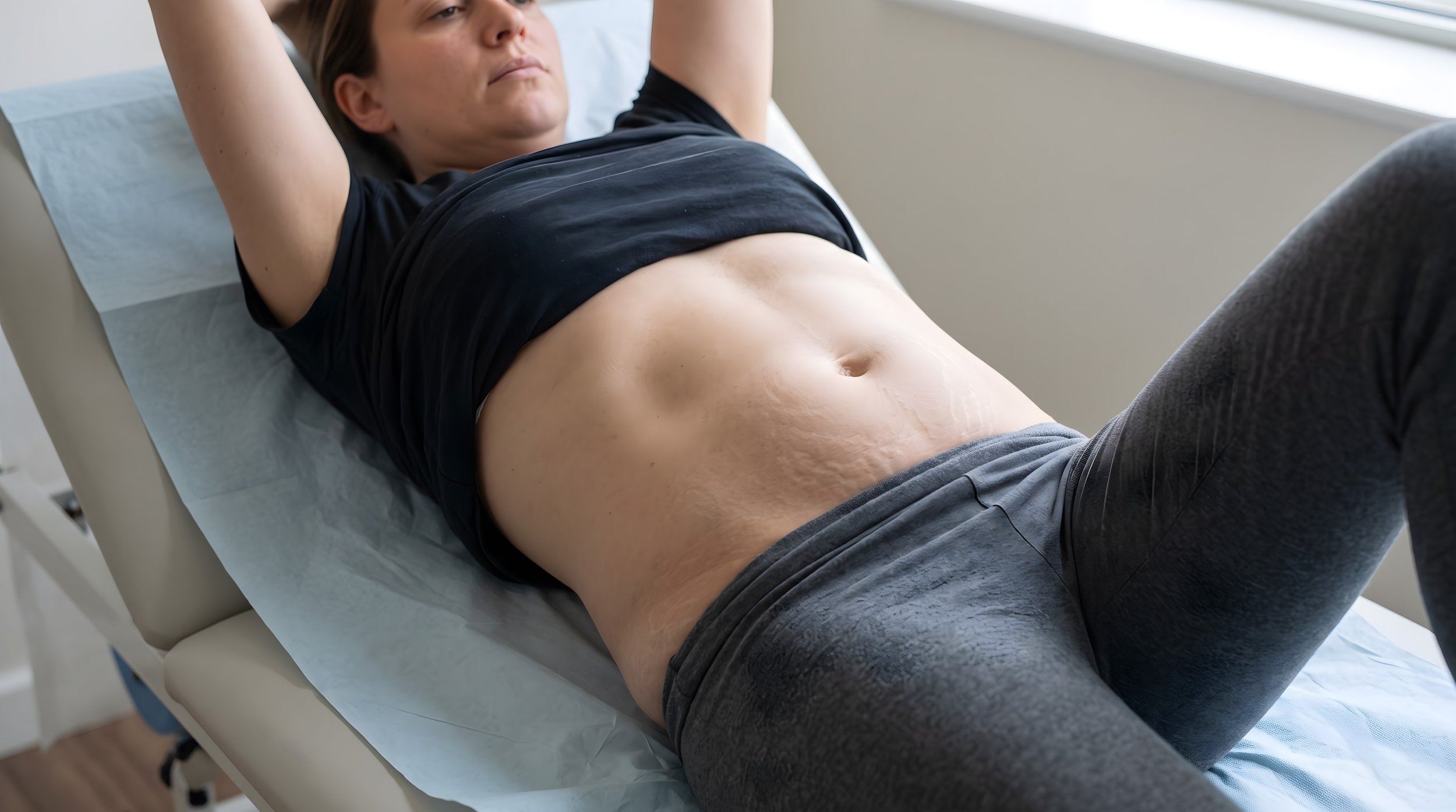
Diastasis recti, also known as abdominal separation, occurs when the two sides of the rectus abdominis muscles move further apart as the connective tissue between them stretches.
It commonly develops during pregnancy as the abdomen expands to accommodate a growing baby. Although some separation is normal, changes in abdominal muscle function can persist after childbirth.
Common signs include:
A visible bulge or doming along the middle of the abdomen
A gap between the abdominal muscles
Reduced abdominal strength or control
Difficulty engaging the core during everyday movements
Discomfort or reduced confidence when lifting or exercising
Not everyone with diastasis recti experiences symptoms. The width of the gap alone does not determine whether treatment is needed.
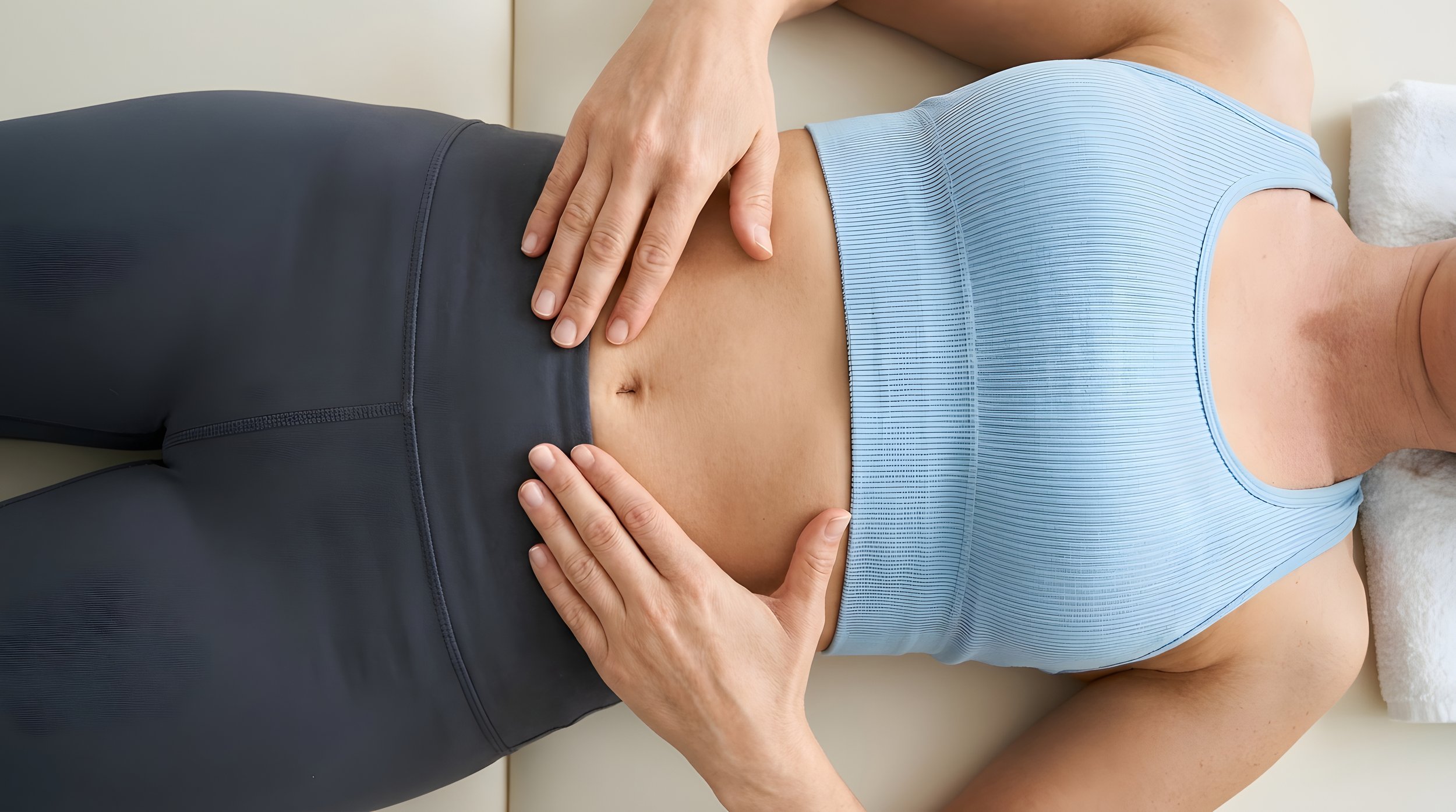
How Physiotherapy Can Help Diastasis Recti
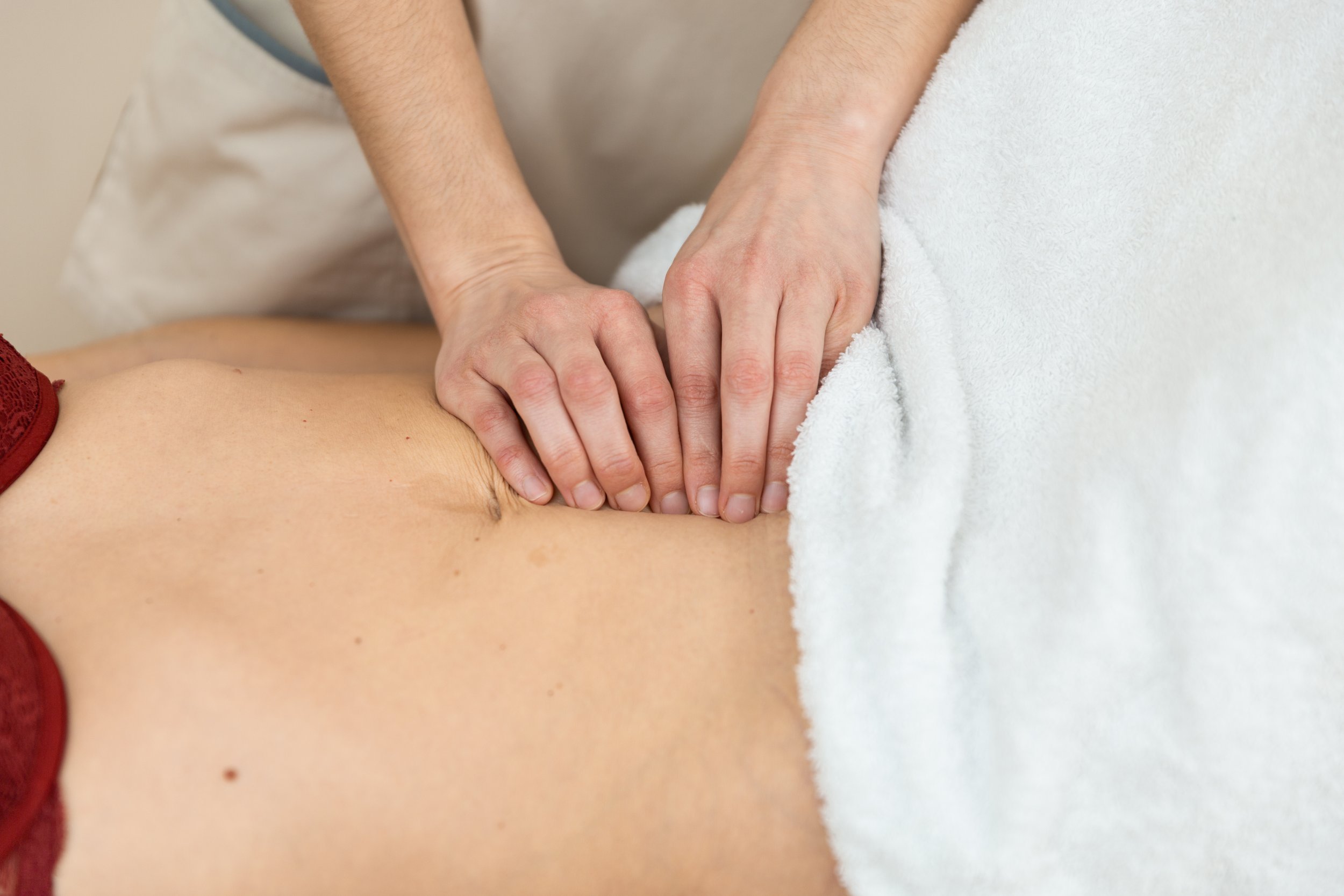
Diastasis recti physiotherapy focuses on improving abdominal muscle function, strength and coordination rather than simply closing the gap between the muscles.
At Potentia by Esra, we assess how your abdominal muscles work alongside your pelvic floor, breathing and wider musculoskeletal system.
Depending on your needs, treatment may include:
Targeted Core Exercises: Progressive strengthening adapted to your current abilities.
Abdominal Muscle Rehabilitation: Improving control and coordination during movement.
Breathing Techniques: Supporting effective management of abdominal pressure.
Pelvic Floor Rehabilitation: Addressing associated pelvic floor symptoms where appropriate.
Functional Movement Training: Building confidence with lifting, carrying and exercise.
Return-to-Exercise Guidance: Helping you progress safely towards your activity goals.
Our aim is to improve function, comfort and confidence without promising that every abdominal separation will close completely.
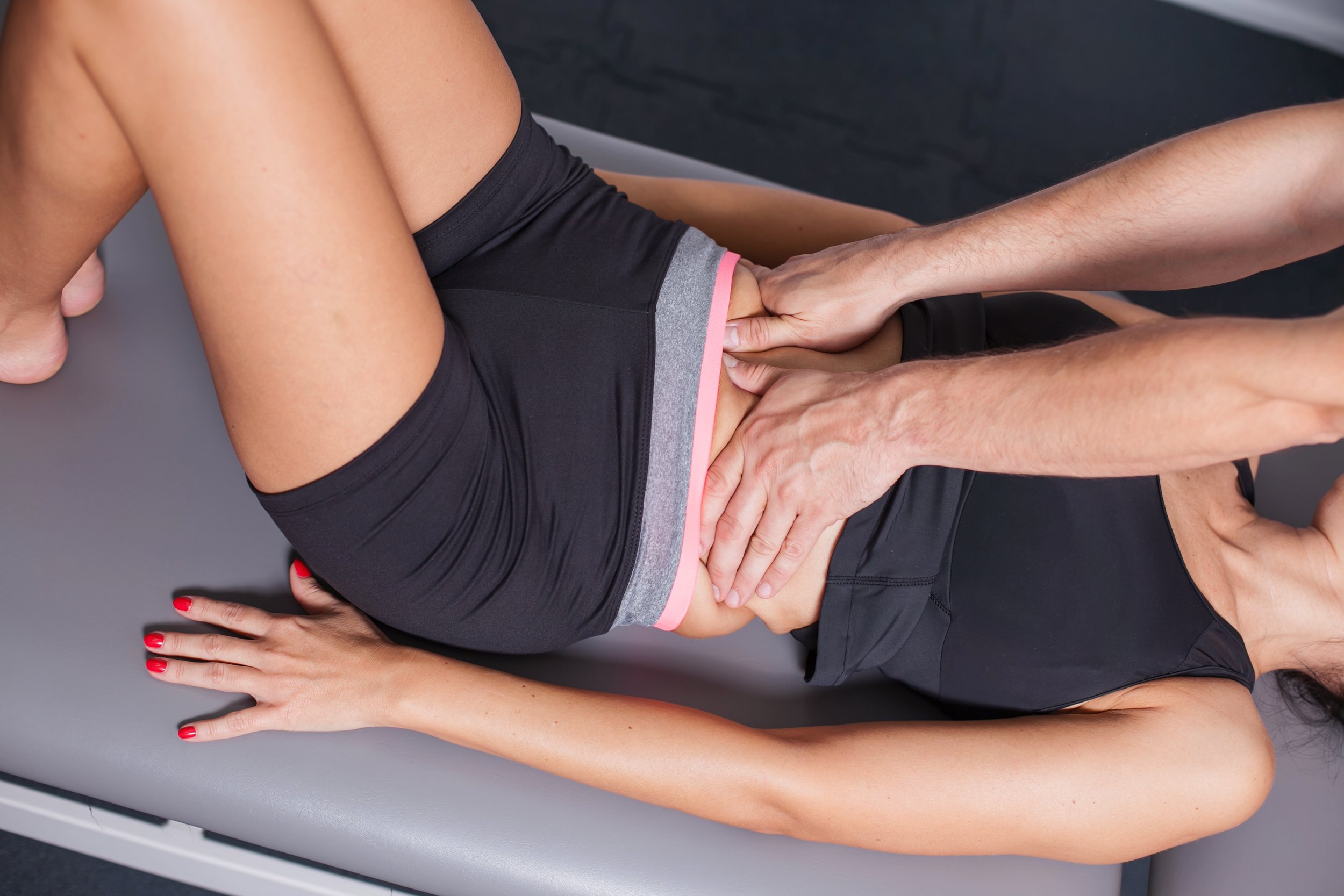
The right diastasis recti exercises can help improve abdominal strength, coordination and confidence during everyday movement. However, there is no single exercise programme that suits everyone.
Depending on your assessment, rehabilitation may include gentle abdominal activation, controlled breathing, pelvic floor coordination and progressive core strengthening.
As your strength improves, exercises can be adapted to support lifting, carrying your baby, returning to fitness and other daily activities.
Rather than avoiding particular movements indefinitely, we focus on helping you exercise safely at a level appropriate for your recovery.
Diastasis Recti Exercises & Safe Core Strengthening
How Our Diastasis Recti Treatment Process Works
-
We begin by discussing your pregnancy and birth history, symptoms, activity levels and recovery goals. Your physiotherapist assesses abdominal muscle function, movement and relevant pelvic health concerns to understand your rehabilitation needs.
-
Based on your assessment, we develop an individual programme of appropriate core exercises, movement strategies and strengthening techniques. Your plan is adapted to your recovery stage and physical capabilities.
-
As your strength and coordination improve, we review your progress and adjust your exercises. This helps you build confidence in everyday activities and gradually return to more demanding movements.
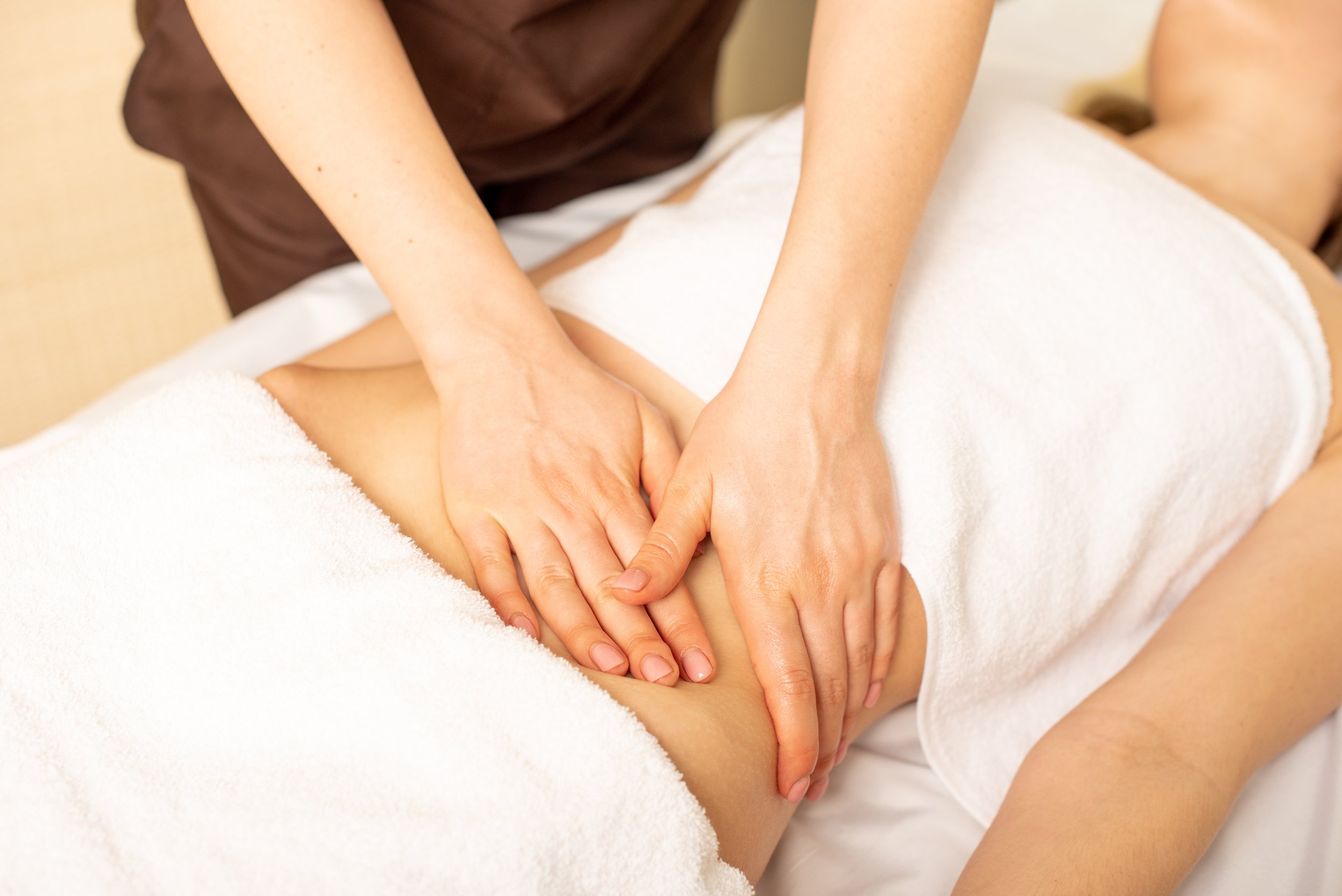
Diastasis Recti Treatment After Pregnancy
Abdominal separation can affect women following both vaginal and Caesarean births. Some notice changes soon after delivery, while others become concerned months or years later.
You do not need to be recently postpartum to benefit from an assessment.
Our specialist postnatal recovery physiotherapy considers abdominal function alongside pelvic floor health, back discomfort and the physical demands of caring for a baby.
Although rehabilitation can improve strength and function, recovery varies between individuals. Persistent or worsening abdominal pain, or a painful bulge that could indicate a hernia, should be medically assessed.
Diastasis Recti Physiotherapy at Our London Clinics
We provide personalised physiotherapy at two London locations:
Marylebone: Unit 4, 10 Portman Square, London W1H 6AZ.
Crouch End: Christchurch Hall Doctors Surgery, London N8 8AE.
Our clinics welcome patients seeking specialist women's health and musculoskeletal physiotherapy, with treatment recommendations based on individual assessment.
Frequently Asked Questions
-
Yes. Many people can improve abdominal strength, control and function through targeted physiotherapy without surgery. Treatment focuses on managing symptoms and improving physical performance. Surgery may be considered in selected cases, particularly where significant functional problems or a hernia are present.
-
Recovery varies depending on your individual circumstances, abdominal function and rehabilitation needs. Some separation naturally reduces after childbirth, while other changes persist. An assessment can help establish realistic goals and identify appropriate exercises.
-
The most appropriate exercises depend on your abdominal strength, symptoms and recovery stage. Gentle core activation, controlled breathing and progressive strengthening may be helpful. A physiotherapy assessment can identify suitable movements and help you build an effective exercise programme.
-
Yes, exercise is generally encouraged when appropriately adapted. The most suitable exercises depend on your symptoms, strength and ability to manage abdominal pressure. Physiotherapy can help you progress towards activities such as running, Pilates and strength training.
-
No. Diastasis recti involves widening of the connective tissue between the abdominal muscles, whereas a hernia occurs when tissue protrudes through a weakness or opening in the abdominal wall. Both conditions can coexist, so clinical assessment is important when a hernia is suspected.
-
Yes. Physiotherapy may still help improve abdominal strength, movement and function years after childbirth. There is no fixed postnatal deadline for seeking support, although the most appropriate treatment depends on your current symptoms and assessment findings.
Book Your Diastasis Recti Physiotherapy Assessment
Abdominal separation does not have to prevent you from feeling confident in your movement or returning to activities you enjoy. At Potentia by Esra, we combine specialist women's health knowledge with advanced musculoskeletal physiotherapy to provide thoughtful, individual care.
Whether you have recently given birth or have experienced abdominal weakness for several years, we can help you understand your options and take an informed approach to rehabilitation.

Our treatments are covered by most health insurances