
Are you experiencing irregular periods, unexplained joint pain, disrupted sleep, or changes in bladder control? You might be wondering whether these are signs of perimenopause or menopause.
Although the terms are often used interchangeably, they describe different stages of hormonal change. Understanding perimenopause vs menopause can help you recognise what's happening in your body and find appropriate support.
At Potentia by Esra, we provide specialist women's health physiotherapy in Marylebone and Crouch End, helping women manage pelvic floor concerns, muscle and joint discomfort, and changes in physical function during midlife.
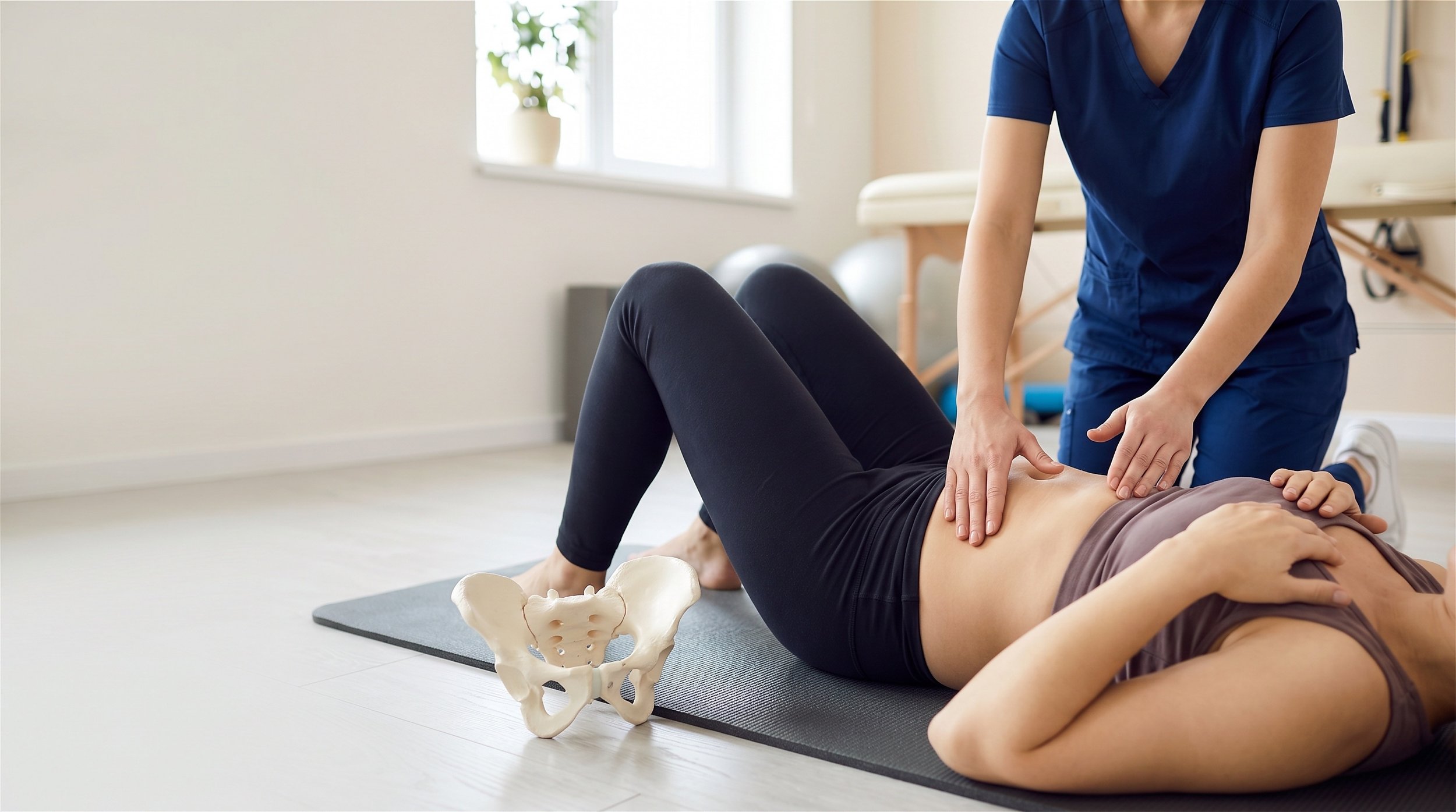
What Is the Difference Between Perimenopause and Menopause?
The main difference is that perimenopause is the transition leading up to menopause, while menopause marks the point when menstrual periods have stopped for 12 consecutive months, provided you are not using hormonal contraception that affects your periods.
What Is Perimenopause?
Perimenopause is the transitional stage during which reproductive hormone levels, particularly oestrogen, begin to fluctuate.
Your menstrual cycle may become less predictable, and you might experience symptoms such as hot flushes, sleep disturbances or mood changes even while your periods continue.
Perimenopause often begins during your 40s, although some women notice changes earlier. It can last several years before menopause occurs.
What Is Menopause?
Menopause is reached when you have gone 12 consecutive months without a menstrual period due to natural hormonal changes.
It typically occurs between the ages of 45 and 55, although the timing varies. The years following menopause are known as postmenopause.
Symptoms do not necessarily disappear once your periods stop. Some women continue to experience pelvic floor changes, vaginal dryness, joint discomfort or bladder symptoms.
Perimenopause vs Menopause: Key Differences at a Glance
| Perimenopause | Menopause | |
|---|---|---|
| Stage | Transition before menopause | Point marking the end of menstruation |
| Periods | May become irregular | Absent for 12 consecutive months |
| Hormones | Fluctuating hormone levels | Sustained lower oestrogen levels |
| Typical age | Often begins in the 40s | Usually between 45 and 55 |
| Symptoms | Hot flushes, sleep changes, mood changes and irregular periods | Symptoms may continue, change or improve |
| Pregnancy | Still possible | Natural pregnancy is no longer expected after menopause |
Both stages can affect physical comfort, pelvic health and overall wellbeing, although every woman's experience is different.
Common Perimenopause Symptoms You Should Know About
One of the earliest perimenopause symptoms is a change in menstrual patterns. However, the effects of hormonal fluctuations can extend far beyond your periods.
Common symptoms include:
Irregular, heavier or lighter periods
Hot flushes and night sweats
Difficulty sleeping and persistent tiredness
Mood changes, anxiety or irritability
Brain fog and concentration difficulties
Muscle aches and joint stiffness
Vaginal dryness or discomfort during intercourse
Increased urinary urgency or leakage
Changes in sexual desire
Some symptoms can also be caused by other health conditions, so it is important not to assume every new change is related to perimenopause.
The NHS guidance on menopause and perimenopause symptoms provides further information about recognising these changes and when to seek medical advice.
How Does Menopause Affect Your Pelvic Floor, Muscles & Joints?
Hormonal changes during perimenopause and menopause can influence several aspects of physical health.
Pelvic floor function: Changes in the tissues surrounding the bladder, vagina and pelvic floor may contribute to urinary leakage, urgency or discomfort. Pregnancy history, ageing and other factors can also influence these symptoms.
Muscle strength: Changes in muscle mass and strength may become more noticeable during midlife, particularly when combined with reduced activity.
Joint comfort: Some women experience increased stiffness or muscle and joint pain, which can affect exercise, sleep and everyday movement.
Vaginal and pelvic comfort: Reduced oestrogen can contribute to vaginal dryness and tissue sensitivity, sometimes making intimacy uncomfortable.
These changes do not mean that pain or bladder leakage should simply be accepted as an inevitable part of ageing. Appropriate assessment can help identify symptoms that may benefit from treatment.
How Can Menopause Physiotherapy Help?
Menopause physiotherapy focuses on managing the physical symptoms associated with hormonal changes, particularly those affecting pelvic health, muscle strength, mobility and everyday function.
While physiotherapy cannot stop hormonal changes or replace medical menopause treatment, it can provide practical support for several common concerns.
Pelvic Floor Rehabilitation & Bladder Control
Urinary leakage, sudden urgency and pelvic discomfort are common reasons women seek specialist support.
At Potentia by Esra, pelvic floor physiotherapy focuses on assessing muscle strength, coordination and relaxation.
Depending on your symptoms, treatment may include targeted pelvic floor exercises, breathing techniques and bladder habit guidance.
Importantly, not every pelvic floor problem is caused by weakness. Some women need help improving muscle relaxation rather than simply increasing strengthening exercises.
Explore our women's health physiotherapy services to learn more.
Muscle Strength, Joint Pain & Mobility
Regular strength training and appropriate physical activity are important during midlife.
Our musculoskeletal physiotherapy approach can help assess movement restrictions, muscle weakness and joint discomfort.
Individual rehabilitation may include:
Progressive strengthening exercises
Mobility and flexibility work
Movement and posture guidance
Exercises for back, hip or pelvic discomfort
Support with returning to physical activity
The aim is to improve movement, physical confidence and your ability to remain active.
Pelvic Pain & Discomfort During Intimacy
Some women experience pelvic pain, muscle tension or discomfort during intercourse during perimenopause and postmenopause.
Specialist physiotherapy may help when pelvic floor muscle dysfunction contributes to these symptoms.
Treatment can involve relaxation techniques, gentle rehabilitation, education and appropriate pelvic floor assessment.
Where symptoms are related to vaginal dryness or tissue changes caused by lower oestrogen, medical treatments may also be necessary.

When Should You Seek Professional Support?
You do not need to wait until menopause to seek help with symptoms affecting your quality of life.
Consider speaking with your GP if you experience significant changes in your periods, persistent hot flushes, mood changes or other symptoms that concern you.
Seek medical advice particularly if you experience:
Menopause-related symptoms before the age of 45
Unusually heavy or concerning menstrual bleeding
Any vaginal bleeding after menopause
New or persistent urinary symptoms, especially painful urination
Symptoms that significantly affect sleep, work or daily life
A GP can discuss diagnosis and medical treatments, including hormone replacement therapy (HRT) where appropriate.
Physiotherapy can complement this care by addressing relevant muscular, joint and pelvic floor symptoms.
Supporting Your Body Through Perimenopause & Menopause
There are practical steps you can take to support your physical health throughout this transition.
Regular strength and weight-bearing exercise can help maintain muscle and bone health. Activities such as walking, resistance training and appropriately adapted Pilates may be useful.
If you experience bladder leakage or pelvic discomfort, seek assessment rather than relying on generic pelvic floor exercise routines.
Sleep, balanced nutrition and appropriate medical support also play important roles in managing menopause symptoms.
The most helpful approach is usually one that considers your individual symptoms, health history and priorities rather than treating menopause as the same experience for everyone.
Frequently Asked Questions
-
Description text goes herePerimenopause often involves changes in your menstrual cycle alongside symptoms such as hot flushes or sleep disruption. Menopause is generally identified after 12 consecutive months without a period, provided hormonal contraception is not affecting your cycle. A GP can help assess your symptoms, particularly if you are under 45 or your situation is less straightforward.
-
Yes. Some women notice sleep changes, mood symptoms, hot flushes or joint discomfort before significant menstrual changes become apparent. These symptoms are not specific to perimenopause, however, so medical assessment may be useful if you are uncertain about their cause.
-
Yes. Physiotherapy can assess joint discomfort, movement restrictions and muscle strength during menopause. Treatment may involve individual strengthening exercises, mobility work and activity guidance. The most appropriate approach depends on the cause of your pain, and persistent or unexplained symptoms may require medical investigation.
-
Urinary leakage is common during midlife, but it is not something you must simply tolerate. Pelvic floor muscle dysfunction, bladder changes and other contributing factors may be involved. Specialist pelvic floor physiotherapy can assess these issues and recommend appropriate management.
-
Yes. You do not need to wait until your periods have stopped. Women's health physiotherapy may be appropriate during perimenopause if you are experiencing bladder control concerns, pelvic discomfort, musculoskeletal pain or changes in physical function.
Specialist Women's Health Physiotherapy in Marylebone & Crouch End
Every woman's experience of perimenopause and menopause is different. Some experience relatively mild symptoms, while others notice significant changes affecting exercise, pelvic health and everyday comfort.
At Potentia by Esra, we combine advanced musculoskeletal expertise with specialist pelvic health physiotherapy to provide personalised support for women navigating these physical changes.
Our clinics are located at:
Marylebone: Unit 4, 10 Portman Square, London W1H 6AZ
Crouch End: Christchurch Hall Doctors Surgery, London N8 8AE
If you are experiencing pelvic floor symptoms, muscle or joint discomfort, or changes in movement during midlife, we can help you understand whether physiotherapy may be appropriate.
Learn more about our perimenopause and menopause physiotherapy support, or contact us to discuss your symptoms.
Call: 07397 500756
Email: hello@potentiabyesra.co.uk